
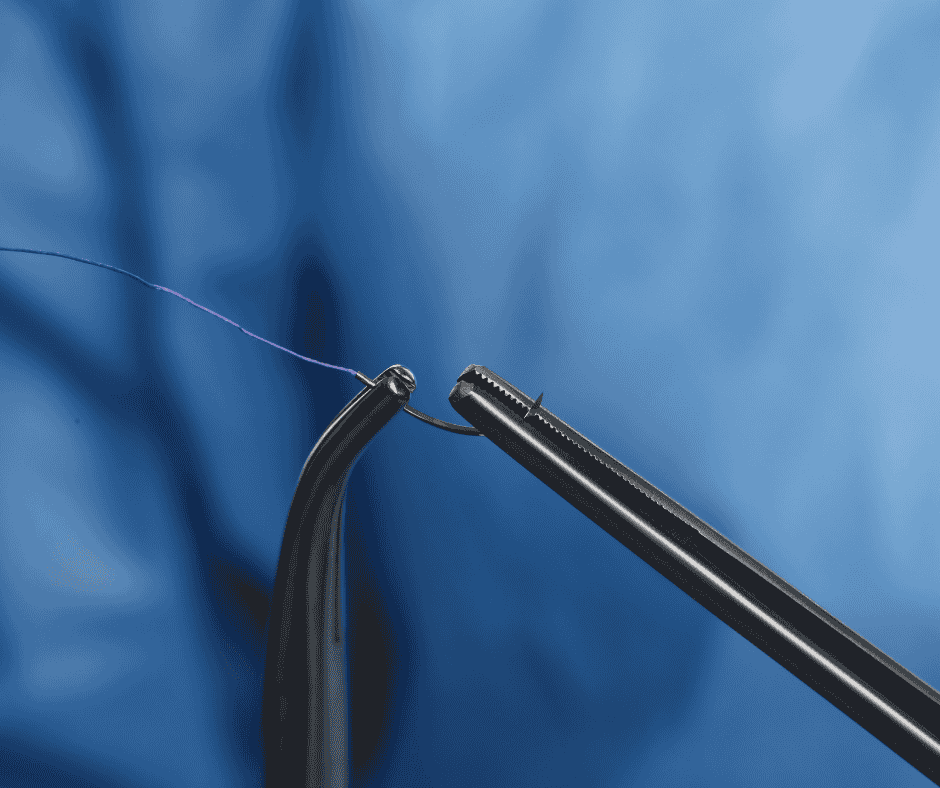
Surgical sutures are widely used medical devices intended for tissue approximation, ligation, and wound closure across multiple surgical specialties. In Colombia, these products are regulated under the national medical device framework overseen by INVIMA. For manufacturers and importers seeking market access, understanding how sutures are classified and how product portfolios may be structured for regulatory submissions is a key component of successful registration.
This article outlines the technical characteristics of surgical sutures, explains their risk-based classification in Colombia, and discusses relevant considerations for organizing products within regulatory dossiers.
Overview of Surgical Suture Types
Absorbable and Non-Absorbable Sutures
- Absorbable sutures are designed to undergo degradation and resorption within the body over time. Their absorption profile is determined by polymer chemistry and tissue interaction.
- Non-absorbable sutures maintain their tensile integrity and typically require removal or permanent implantation, depending on clinical use.
Filament Structure
- Monofilament sutures consist of a single strand, offering smoother tissue passage and reduced capillarity.
- Multifilament (braided) sutures are composed of multiple filaments twisted or braided together, providing improved handling and knot performance.
Surface Treatment
- Coated sutures may incorporate polymeric or antimicrobial coatings to enhance handling or reduce bacterial adherence.
- Uncoated sutures rely solely on the base material properties.
Packaging and Sterilization
- Sutures are generally supplied as sterile, single-use devices and may be presented with or without attached needles. Common elements include:
- Pre-attached (swaged) or detachable needles
- Individual sterile barrier systems (foil or medical-grade polymer pouches)
- Sterilization using validated methods such as ethylene oxide or ionizing radiation
Classification of Surgical Sutures by INVIMA
Surgical sutures regulatory class is determined through a risk-based assessment that considers intended use, duration of contact, anatomical location, and interaction with human tissue. Based on these criteria, surgical sutures are commonly classified as Class III or Class IIb.
Class III Surgical Sutures
Surgical sutures are classified as Class III when their technical or clinical characteristics increase potential risk. This classification applies when sutures:
- Are intended to exert a biological effect, including biochemical interaction during the healing process
- Are used in direct contact with the heart, the central circulatory system, or the central nervous system, even if their primary function is tissue approximation or ligation.
- Are absorbable resulting in prolonged interaction with biological tissues
These characteristics are typical of certain absorbable synthetic sutures and of sutures intended for specialized or sensitive anatomical applications. Due to their interaction profile and clinical context, Class III sutures are subject to more comprehensive regulatory review and technical documentation requirements.
Class IIb Surgical Sutures
Sutures that are implantable or intended for prolonged surgical use, but that do not meet the criteria for Class III, are generally classified as Class IIb. This classification commonly applies to:
- Non‑absorbable sutures used for internal tissue approximation or ligatures
- Sutures employed in general surgical procedures, including soft tissue closure, gastrointestinal surgery, and reconstructive or maxillofacial interventions
- Products that remain in the body for extended periods without being absorbed and without biological or pharmacological activity.
Practical Implications for Manufacturers and Importers
Accurate classification between Class III and Class IIb is essential when preparing a registration dossier for use in Colombia. Manufacturers must ensure that the intended use statements, material specifications, and clinical application descriptions are consistent with the assigned class, as misclassification can lead to regulatory delays or deficiencies during INVIMA review.
Grouping Strategies for Regulatory Submissions
To optimize the registration process, INVIMA allows grouping sutures with similar characteristics under a single submission if they are from the same manufacturer, have the same intended use and generic name. Key grouping criteria include:
- Same Material Composition
-
- Natural (e.g., catgut, silk) vs. synthetic (e.g., polypropylene, PGA).
-
- Monofilament vs. braided.
- Absorption Profile
-
- Non-absorbable (e.g., Prolene, Ethilon).
-
- Absorbable (e.g., Vicryl, Monocryl).
- Sterility & Packaging
-
- Pre-sterilized (EO, gamma irradiation) vs. non-sterile (rare for sutures).
-
- Single-use vs. reusable (most sutures are single-use).
- Intended Use
-
- General surgery, cardiovascular, ophthalmic, etc.
Conclusion
Surgical sutures represent a technically diverse category of medical devices that require careful regulatory evaluation in Colombia. Proper classification under INVIMA’s risk-based rules, supported by clear definition of intended use and material characteristics, is fundamental to successful product registration. Aligning suture portfolios with Colombian regulatory expectations enables manufacturers and distributors to structure submissions efficiently while maintaining compliance with national medical device requirements.
Streamline your suture registration with Veraque, experts in INVIMA medical device approvals.