
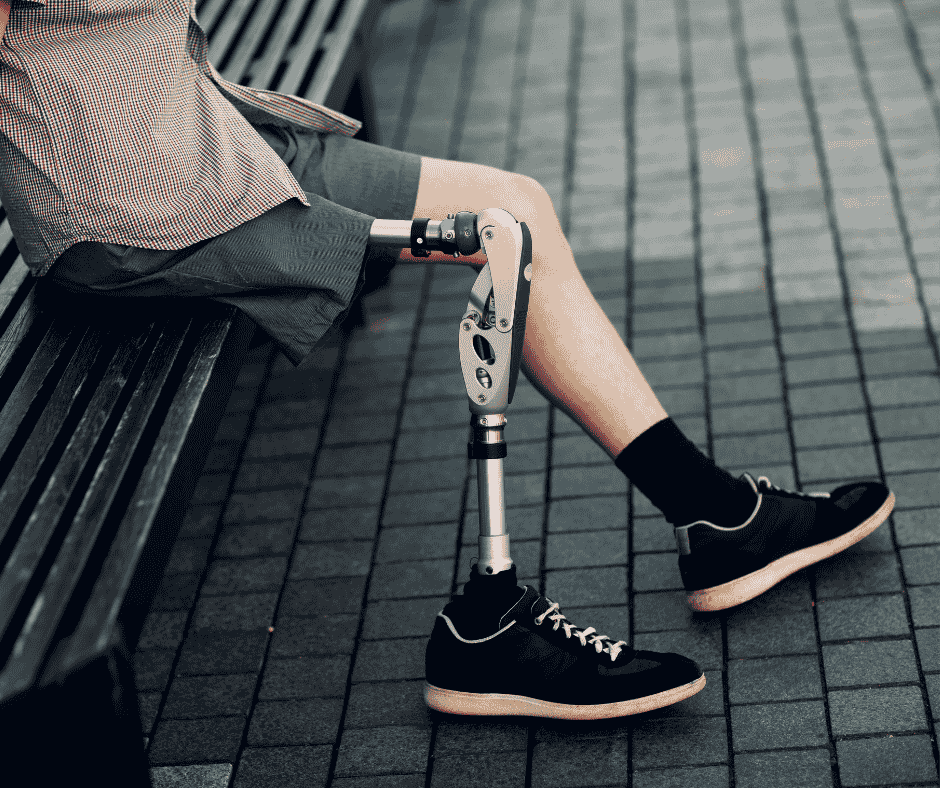
Myoelectric prostheses are medical devices developed to assist individuals with limb loss by enabling functional movement restoration. These systems capture electromyographic (EMG) signals from residual muscles to operate motorized components, providing greater precision and flexibility compared to traditional mechanical prostheses.
In Costa Rica, oversight of medical devices (including prosthetic technologies) is managed by the Ministry of Health. Manufacturers, distributors, and clinical professionals must navigate the country’s regulatory framework to achieve market authorization and ensure compliance. By examining how myoelectric prostheses are classified and grouped under Costa Rican regulations, this article provides practical insights to introduce these technologies into the national healthcare system.
Distinction by Risk Level and Technological Characteristics
Not all prosthetic devices are classified equally under the Ministry of Health. Their classification depends on the presence or absence of active components and the associated risk level.
Passive and Cosmetic Prostheses: Non-Technological Designs
Passive prostheses do not rely on electrical or electronic mechanisms. They exist primarily to provide functional support or cosmetic restoration and are external, non‑invasive devices. Examples include:
- External limb prostheses for upper and lower extremities
- Mechanical finger prostheses
- Cosmetic shells or limb covers
According to Decree No. 43902-S, these devices qualify as Class I provided they are non‑invasive devices and do not contact injured skin or connect to an active device.
Technologically Enhanced Prostheses: Powered and Signal-Responsive Systems
Medical systems that incorporate EMG sensors, batteries, microprocessors, or motors are categorized as active devices. Myoelectric prostheses fall within this classification. These technologies convert biological signals into controlled mechanical motion and therefore administer energy to the body through powered components. As a result, they are subject to a higher regulatory classification compared to non‑powered prosthetic devices.
Associated risks include:
- Battery overheating, leakage, or failure
- Electrode malfunction or skin irritation
- Signal misinterpretation affecting movement control
Classification of Prosthetic Devices under the Ministry of Health
Costa Rica’s classification system evaluates devices based on technological complexity, intended use, and interaction with the user. In this context:
- Class 1: Passive, external prostheses that do not involve powered systems and do not fall under skin‑injury or special‑case categories.
- Class 2: Active therapeutic prostheses such as myoelectric systems. These devices administer energy to the user and require demonstration of operational safety, electromagnetic compatibility, and performance reliability.
Myoelectric Prostheses Grouping Strategies in Costa Rica
Myoelectric prosthesis models may be grouped when they originate from the same manufacturer and meet the criteria established in Decree N° 43902‑S. Grouping is generally permitted when differences between models are non‑substantial. In practice, this can include variations such as:
- Socket size adjustments to accommodate different patient anatomies.
- Cosmetic coverings or external housings with alternative shapes or finishes.
- Minor differences that do not alter the underlying EMG‑controlled functionality.
These types of modifications allow devices to be classified within an EMB family, since the core technology and performance remain consistent.
Conclusion
Costa Rica’s regulatory framework for prosthetic technologies reflects a careful balance between patient safety and technological advancement. By distinguishing devices according to risk level and technological complexity, the Ministry of Health ensures that passive prostheses remain accessible while myoelectric systems undergo evaluation to guarantee reliability and performance.
For guidance on the registration of prosthetic devices or other medical technologies in the Colombian market, you can reach us at [email protected] or consult our guidelines.