
Last Updated: September 2026
Software has become a fundamental component of modern healthcare. From artificial intelligence applications that support diagnosis to embedded software controlling pacemakers and infusion pumps, software now plays a direct role in patient care. As a result, manufacturers frequently face an important regulatory question: is the software considered a medical device by itself, or is it software that forms part of a medical device?
Understanding the distinction between Software as a Medical Device (SaMD) and Software in a Medical Device (SiMD) is essential for establishing the correct regulatory strategy, defining quality system requirements, and planning market access activities in Mexico and other jurisdictions.
What Is Software as a Medical Device (SaMD)?
The concept of Software as a Medical Device (SaMD) has been widely adopted by regulatory authorities around the world. According to the framework recognized by Mexico, SaMD refers to software intended for one or more medical purposes that does not need to be part of the hardware of a medical device to fulfill its intended medical purpose. Such software can operate on general-purpose computing platforms and may function independently or in combination with other products. Mobile applications may also fall within this category.
Examples may include:
- Software that analyzes medical images to identify potential pathologies.
- Software that analyzes patient information and recommends drug dosing.
- Applications that provide real-time monitoring of physiological parameters.
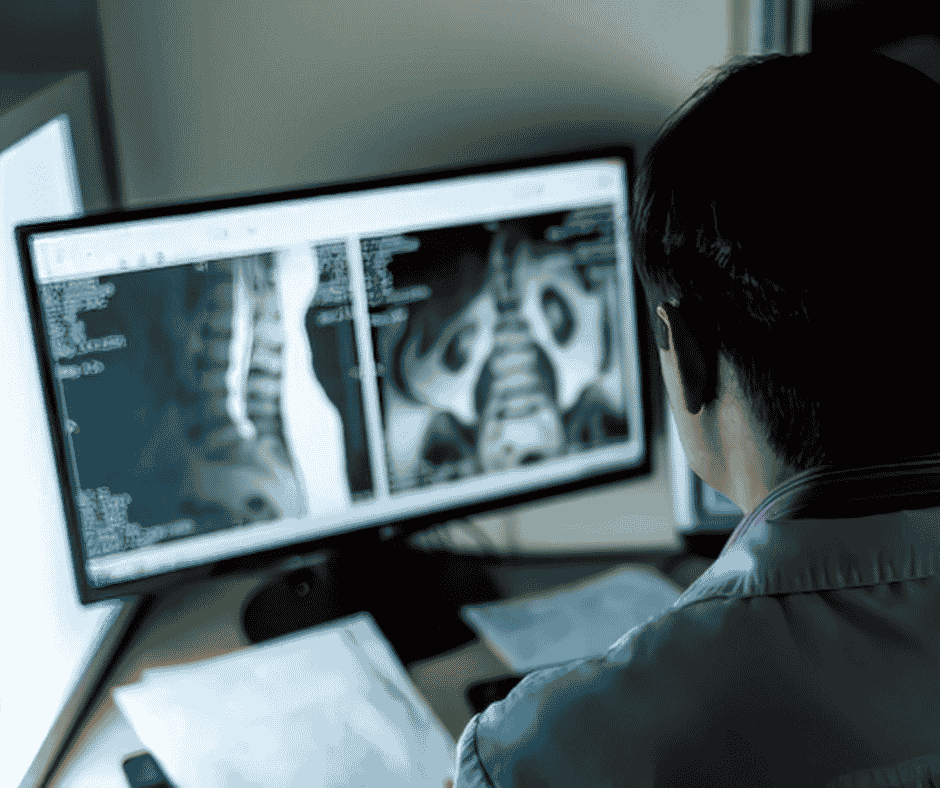
- Software that displays MRI images on a smartphone or other mobile device for clinical purposes.
What Is Software in a Medical Device (SiMD)?
Software in a Medical Device (SiMD), often referred to as embedded software or firmware, is software that enables a medical device to function according to its intended purpose. Unlike SaMD, SiMD does not independently perform a medical purpose. Instead, it supports, drives, controls, or operates a physical medical device.
Common examples include:
- Software that controls motors within an infusion pump.
- Software responsible for closed-loop control functions.
- Embedded software used to operate patient monitoring equipment.
- Firmware that enables a medical device to perform its intended function.
In these situations, if the software were removed, the device would no longer function as intended.
The Key Distinction Between SaMD and SiMD
The difference between SaMD and SiMD can usually be reduced to a simple question:
Does the software perform the medical purpose independently, or does it exist to enable a hardware medical device to perform that purpose?
If the software independently diagnoses, treats, monitors, predicts, or provides information for clinical decisions, it is more likely to be considered SaMD. Conversely, if the software exists solely to support the functioning of a hardware device, it is generally considered SiMD.
The distinction is closely linked to the software’s intended use. As discussed in our previous article on SaMD classification strategy, intended use serves as the foundation for determining whether software is a medical device and influences subsequent classification and regulatory decisions.
How COFEPRIS Approaches SaMD and SiMD
Mexico has taken important steps toward regulating software-based medical technologies. The Supplement for Medical Devices of the Mexican Pharmacopoeia formally recognizes SaMD and provides a definition closely aligned with international approaches. According to this framework, software that fulfills a medical purpose independently may be considered SaMD. At the same time, software that facilitates the functioning of a medical device is specifically excluded from the SaMD definition.
This means that, from a COFEPRIS perspective, manufacturers should not assume that all healthcare-related software automatically qualifies as SaMD. The regulatory assessment must evaluate both the intended medical purpose and the relationship between the software and any associated hardware device.
Furthermore, NOM-241-SSA1-2025 incorporates the concept of SaMD into Mexico’s Good Manufacturing Practices framework and recognizes software that operates independently from hardware medical devices while excluding software intended to operate the device itself.
SaMD and SiMD Terminology in Mexican Regulations: ScDM and SeDM
Manufacturers reviewing Mexican regulations may notice that the terms commonly used in English, Software as a Medical Device (SaMD) and Software in a Medical Device (SiMD), may appear under their Spanish equivalents.
In the Mexican regulatory framework, Software as a Medical Device is commonly referred to as Software como Dispositivo Médico (ScDM). This terminology appears in documents such as the Supplement for Medical Devices of the Mexican Pharmacopoeia and NOM-241-SSA1-2025, where the concept follows the same general principles adopted by the IMDRF.
Although Mexican regulations primarily focus on defining ScDM (SaMD), manufacturers and regulatory professionals often use the term Software en un Dispositivo Médico (SeDM) as the Spanish equivalent of Software in a Medical Device (SiMD). This term generally refers to embedded software, firmware, or software required for a medical device to achieve its intended purpose. Software that facilitates the functioning of a medical device is specifically excluded from the Mexican definition of ScDM.
For international companies preparing regulatory submissions in Mexico, it may therefore be useful to recognize the following terminology:
| English Term | Spanish Term | Acronym |
| Software as a Medical Device | Software como Dispositivo Médico | ScDM |
| Software in a Medical Device | Software en un Dispositivo Médico | SeDM |
Practical Examples Under the Mexican Framework
The following examples illustrate how the distinction may be applied in practice:
| Software Function | Likely Category | Rationale |
| AI software that analyzes CT or MRI images for diagnostic purposes | SaMD | Performs an independent medical purpose through data analysis. |
| Mobile application that recommends insulin dosage based on patient data | SaMD | Generates information used for clinical decision-making. |
| Software displaying MRI images on a mobile device | SaMD | Provides a medical function without operating hardware. |
| Firmware controlling an infusion pump motor | SiMD | Exists to operate the device. |
| Closed-loop control software within a medical device | SiMD | Supports hardware functionality and intended use. |
| Software used to monitor equipment maintenance or error codes | Not typically SaMD | Does not perform a medical purpose. |
These examples demonstrate that the determination is driven primarily by intended use and functional independence rather than by the technology platform itself.
Why the Distinction Matters
The distinction between SaMD and SiMD is more than a terminology exercise. It can affect multiple regulatory and development activities.
First, it helps determine whether software should be evaluated as an independent medical device or as part of a broader medical device system. Second, it may influence the classification rationale, technical documentation strategy, and evidence requirements. Finally, it supports the development of appropriate risk management, software lifecycle, cybersecurity, and quality management activities.
Manufacturers should also remember that regulatory classification and software safety classification are different concepts. A software product may require significant software lifecycle controls even when its regulatory classification is relatively low. Therefore, determining whether a product is SaMD or SiMD should be viewed as an early step within a broader regulatory strategy.
Questions Manufacturers Should Ask
When evaluating software under the Mexican regulatory framework, the following questions may be useful:
- Does the software have a medical purpose?
- Does the software independently diagnose, treat, monitor, predict, or provide information related to patient care?
- Can the software fulfill its intended purpose without being part of a hardware medical device?
- Is the software intended to drive, control, or operate a medical device?
- Would the hardware medical device still achieve its intended purpose if the software were removed?
The answers to these questions can help establish whether the software is more appropriately viewed as SaMD, SiMD, or software that falls outside the scope of medical device regulation altogether.
Frequently Asked Questions (FAQ) – SaMD vs SiMD
- What is the main difference between SaMD andSiMD?
The primary difference is the role of the software. SaMD independently performs a medical purpose, such as analyzing patient data or supporting diagnosis, while SiMD is software that enables a medical device to function according to its intended purpose.
- Does COFEPRIS regulate both SaMD andSiMD?
Yes. COFEPRIS regulates medical devices that incorporate software, including both SaMD and software that forms part of a medical device. However, software that qualifies as SaMD is evaluated as a standalone medical device software product, whereas embedded software is generally assessed as part of the overall medical device system. The intended use of the software remains a critical factor in determining the applicable regulatory approach.
- How can manufacturersdeterminewhether their software is SaMD or SiMD?
Manufacturers should begin by assessing the intended use of the software and its relationship with any associated hardware. If the software independently performs a medical purpose, it may be considered SaMD. If it is required for a medical device to operate as intended, it is more likely to be considered SiMD. Performing this assessment early can help support classification decisions and regulatory planning with COFEPRIS.
Conclusion
Understanding the difference between SaMD and SiMD is an important first step when evaluating software under the Mexican regulatory framework. While SaMD refers to software that independently performs a medical purpose, SiMD refers to software that enables a medical device to function as intended. Correctly identifying the category, together with the software’s intended use and relationship to hardware, can help manufacturers establish an effective regulatory strategy for interactions with COFEPRIS.
If you are planning to bring SaMD, SiMD, or other medical technologies to the Latin American market, trust Veraque as your regulatory partner. Contact us at [email protected] to discuss your market access strategy and regulatory requirements.